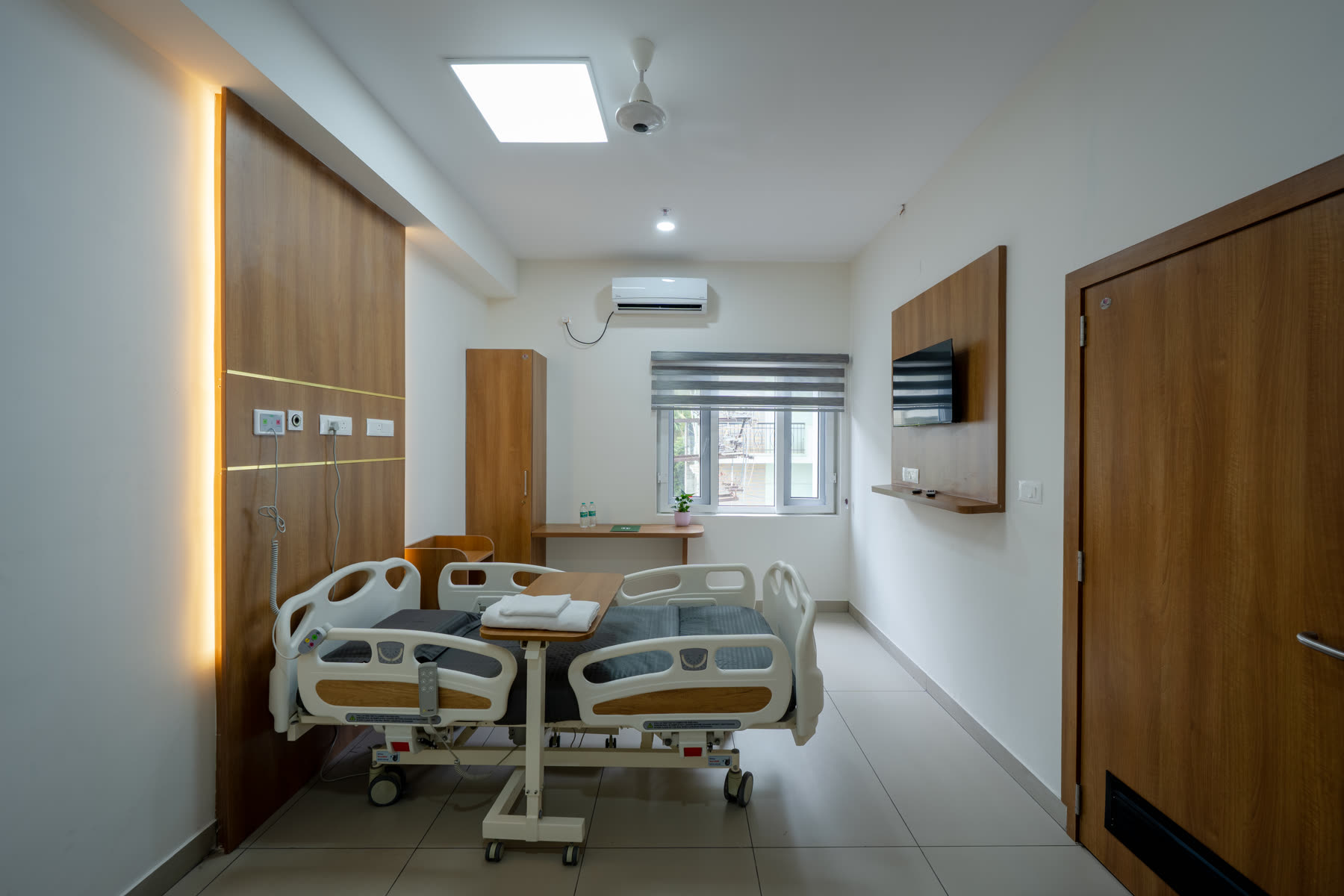
A hospital treats the event. Recovery — strength, balance, confidence, the ability to reach a bathroom unaided at night — is rebuilt afterwards, and it very rarely rebuilds itself at home. The first week of a recovery admission is where the trajectory is set.
Day one: assessment, not exercise
Nothing useful happens before a proper baseline. On arrival we review the discharge summary, reconcile every medication, check wounds, assess swallowing and continence where relevant, and measure function honestly: how far can this person walk, with what support, and what stops them.
- Physician review and medication reconciliation
- Physiotherapy assessment — strength, range, balance, gait
- Nutrition and hydration plan; wound and skin check
- A written, measurable goal agreed with the family
Days two to four: daily, supervised therapy
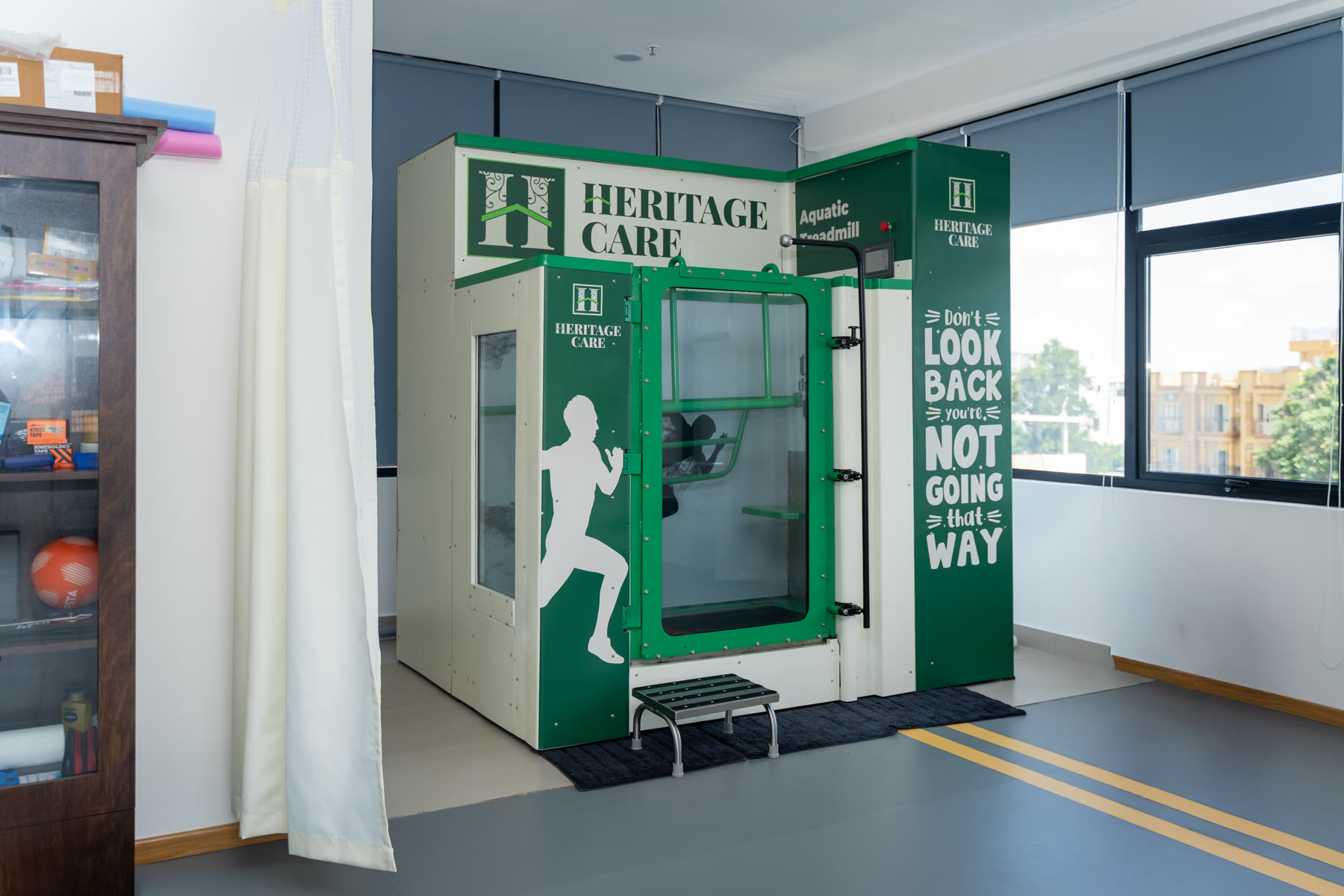
Twice-weekly physiotherapy is maintenance. Recovery needs daily work, in short and frequent sessions rather than one heroic hour. Where weight-bearing on land is still painful — common after joint replacement or fracture — aquatic therapy allows movement to begin days or weeks earlier than it otherwise could.
Days five to seven: the first real milestones
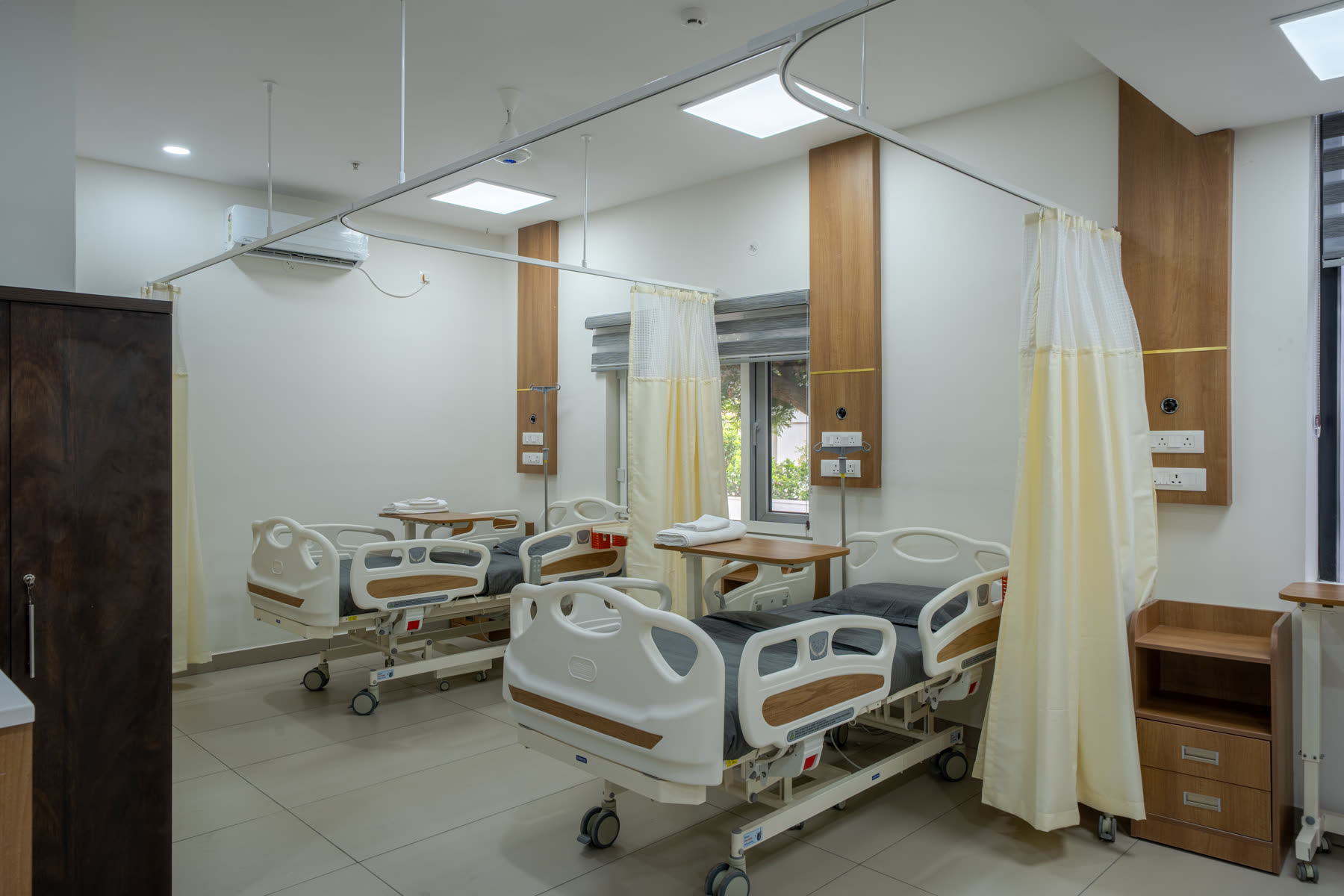
By the end of week one most families see something concrete — sitting to standing unaided, a first supported walk down the corridor, a night without needing help twice. These are small, and they matter enormously: they are the evidence that the goal set on day one is realistic.
The question we ask on admission is simple — is the aim to get better, or to be looked after well? If the answer is to get better, this is a rehabilitation programme with a discharge date, not a place to live.
What families should ask for
- A written goal with a target date, not a vague plan
- How many therapy sessions per day, delivered by whom
- Who reviews progress weekly, and how you will hear about it
- What home needs to look like on discharge day
A good recovery admission should be working towards its own end. If nobody can tell you what discharge looks like, ask again.