
Moving your parent to a new care home — again — doesn't have to feel like starting over
A calm, practical guide for families whose current arrangement isn't working
No family chooses a care home expecting to move again a year later. But it happens more often than anyone admits — the place looked right on the first visit, and the gaps only became clear after your parent had already settled in.
If you're quietly starting to feel that where they are now isn't quite working, you're not overreacting, and you're not the only family who's been here. This guide sets out what to look for, and what genuinely changes when a resident moves to Heritage Care.
If you are choosing between care types for the first time, our guide on choosing between assisted living, respite care and rehabilitation may also help.
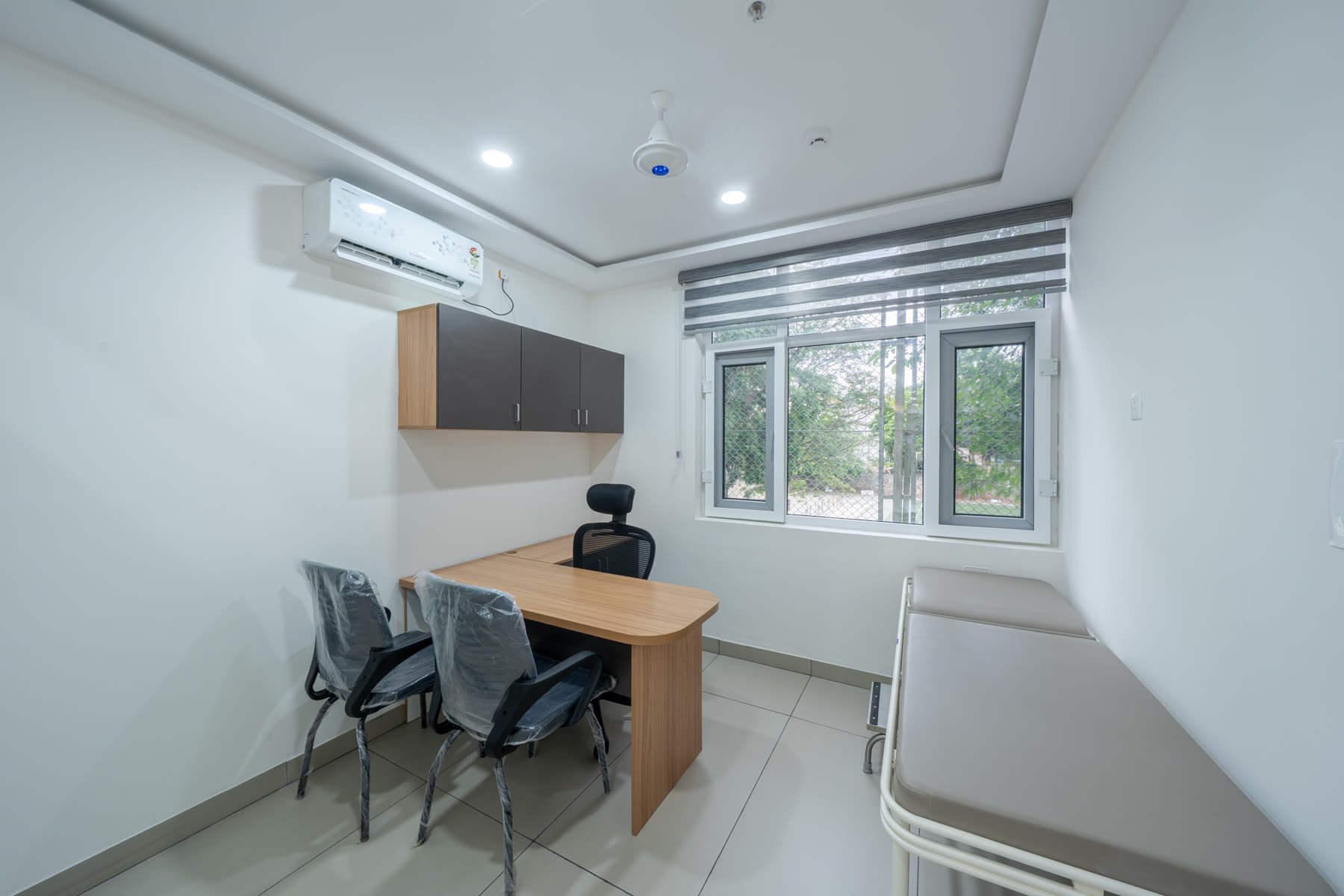
What families usually notice first
These are the things families most often describe when they start looking elsewhere. None of them are dramatic on their own — that's exactly why they're easy to talk yourself out of.
- Night care feels thin. Calls to staff after hours take a while to be answered, or you're not confident someone is actually awake and watching.
- The clinical picture keeps changing hands. A different doctor or nurse each time you visit, with no one person holding the full picture.
- You're the one chasing updates. You only hear how your parent is doing when you call and ask — not because someone thought to tell you.
- Staffing doesn't match the need. Whoever's assigned to your parent doesn't seem equipped for the specific care their condition requires.
- No structured therapy on site. Physiotherapy, if it happens at all, means arranging outside visits rather than being part of daily care.
- Support fades after admission. The warmth and attention you got before signing isn't there once a real concern comes up.
If two or three of these sound familiar, it's worth having a proper look elsewhere — not as a criticism of anyone, but because your parent deserves whichever place actually closes these gaps.
Care built around continuity, not handovers
- A personal clinical assessment on admission, led directly by our medical director — not delegated, not generic.
- An individual care plan built from that assessment, with staff assigned specifically to match each resident's needs.
- Your parent's discharge records and current medications inform their care plan from day one — bring what you have from their previous facility, and our medical director builds the assessment around it.
- Consistent clinical oversight throughout the stay, tracked on our internal nursing system — so continuity doesn't depend on one conversation or one person's memory.
- Daily updates on your loved one's condition, plus prompt nursing communication whenever there's a medication change, a required procedure, or an incident.
- Support that stays available, not just responsive at the point of admission.
- A team genuinely working to make the stay feel like a home — not an institution your parent is passing through.
Every resident is seen and assessed directly, with a plan built around them specifically.
Clinical oversight and daily updates, tracked and consistent, not left to chance.
Support doesn't end once a resident moves in.
Questions families ask when switching care homes
Let's discuss your care requirements
Whether you're exploring assisted living, rehabilitation, dementia care, respite care, physiotherapy, or long-term support, our team is here to help you understand the most suitable care options for your loved one.